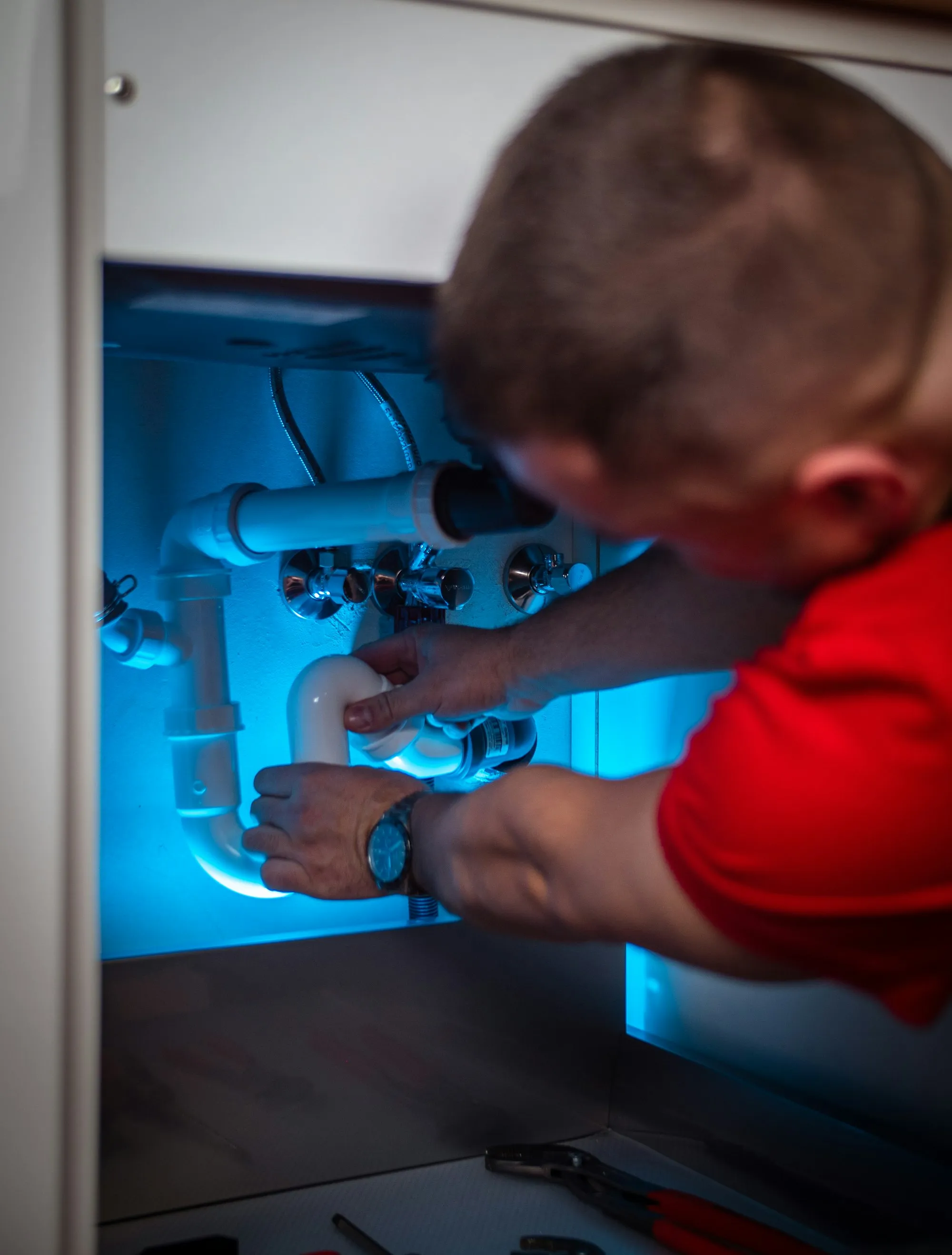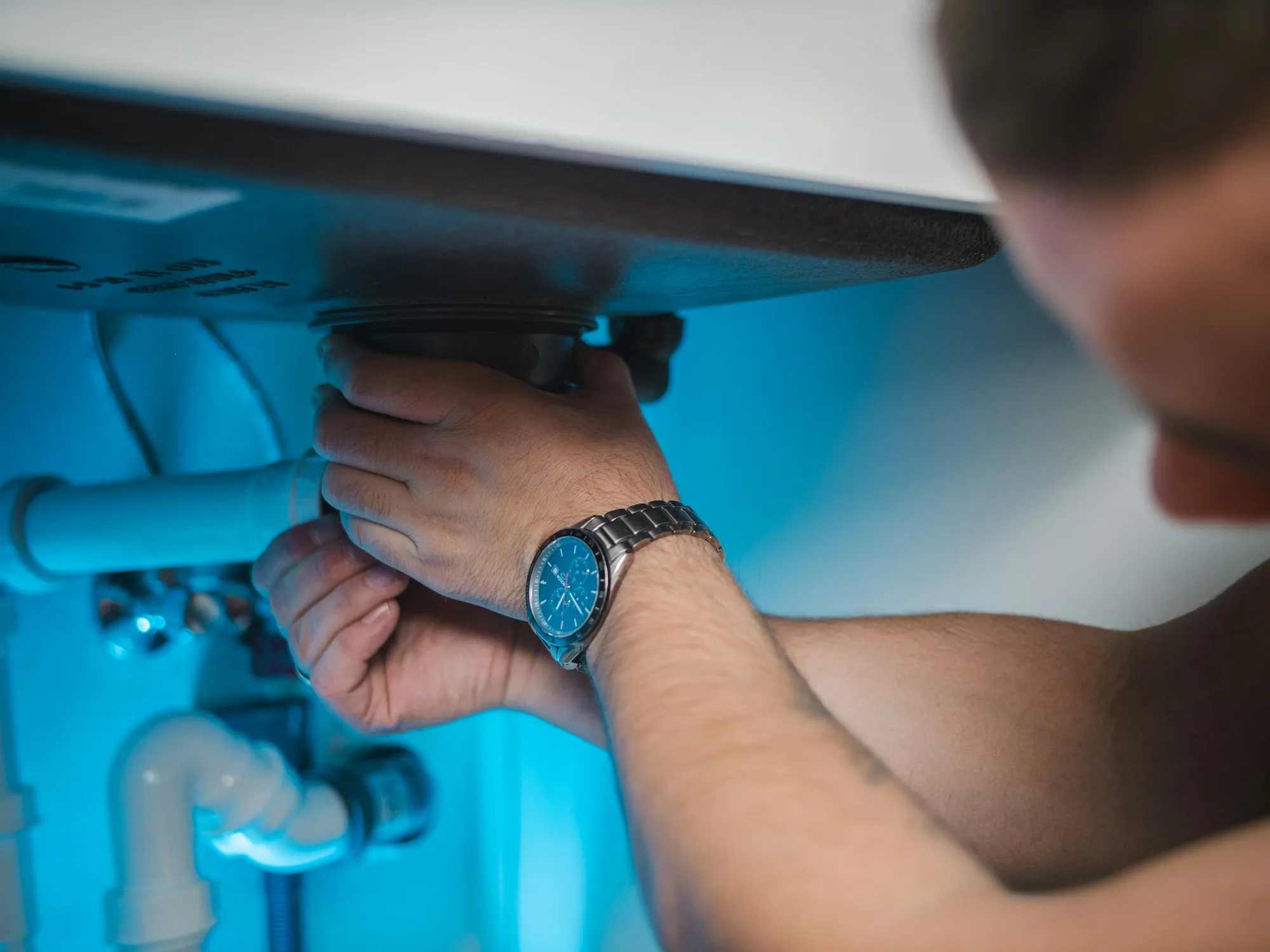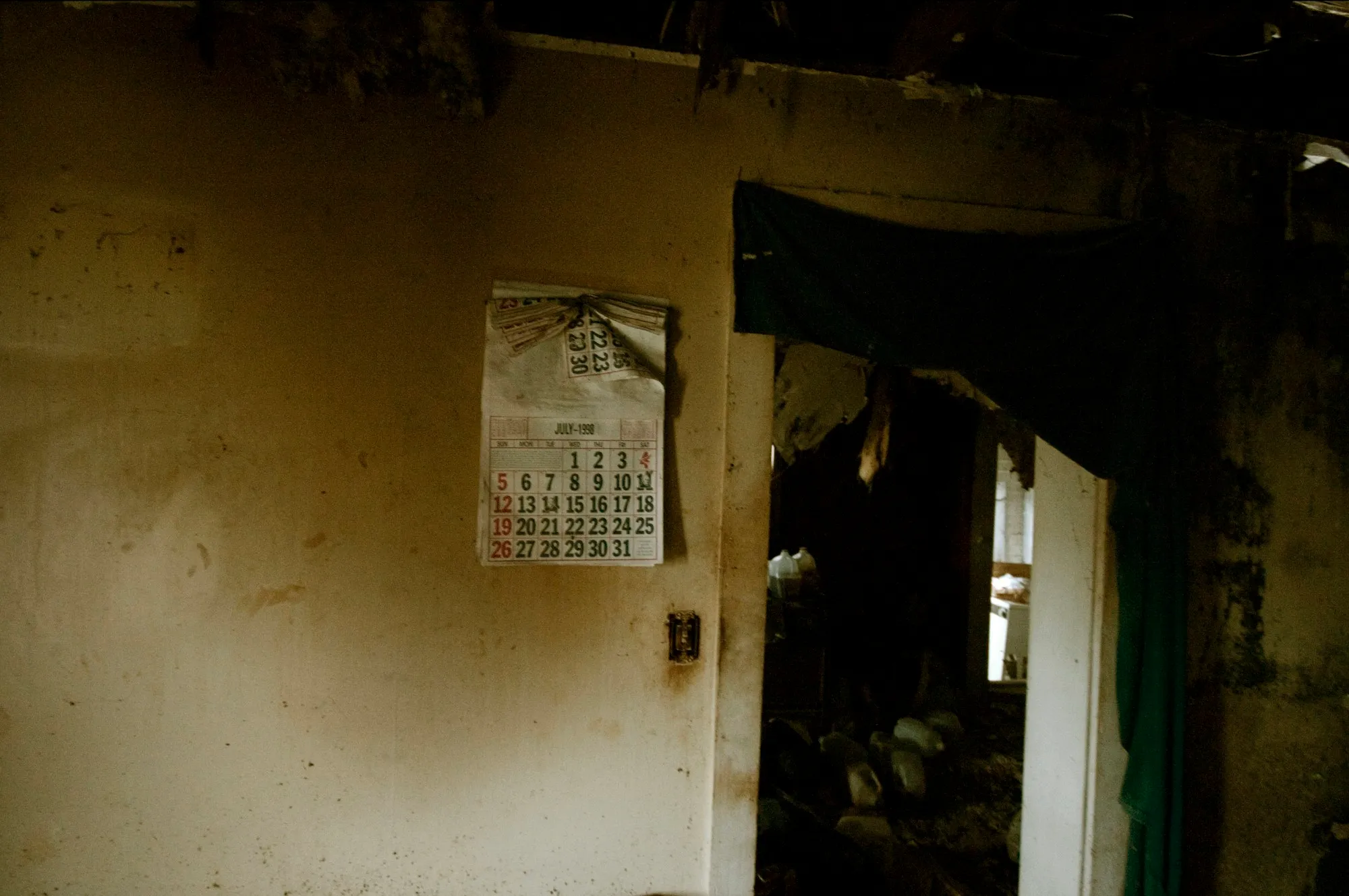
Water damage doesn’t keep office hours. Pipes burst overnight, water heaters fail on Sunday mornings, and storm intrusion shows up the moment the rain stops. For a restoration company, those are often the most valuable calls of the week, and they arrive exactly when nobody is at a desk.
This guide looks at why after-hours calls matter so much in restoration, where they usually get lost, and how to set up cover that works without putting your crew on the phone around the clock.
Why the first answer usually wins the job
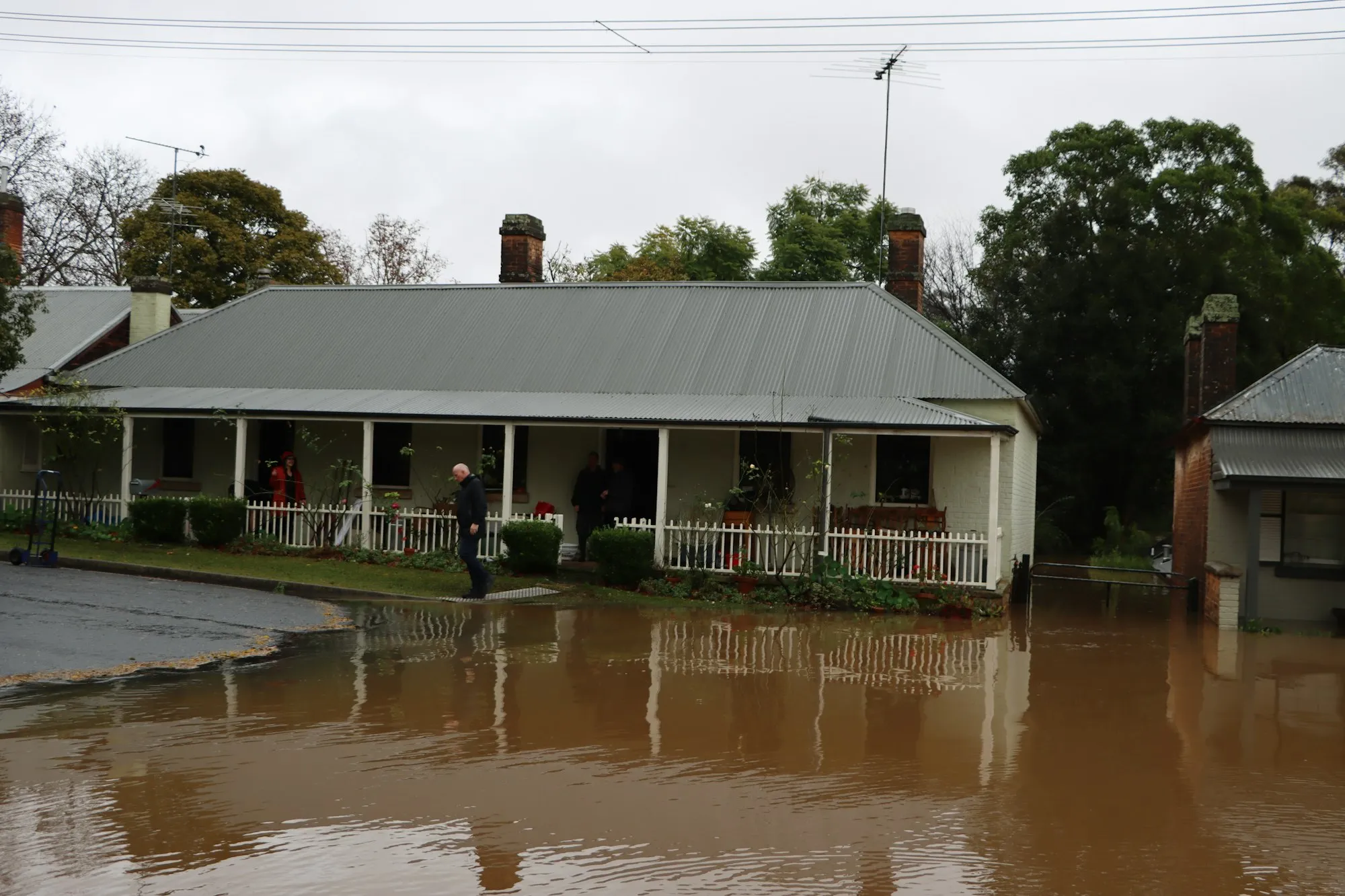
A homeowner standing in an inch of water isn’t comparison shopping. They search, they call the first credible company they find, and if nobody picks up, they call the next one. Very few will leave a voicemail and wait for a callback in the morning, because the water is still spreading.
That makes restoration different from most trades. A missed call for a kitchen remodel might come back next week. A missed call for active water damage almost never does. And because many restoration jobs end up as insurance work, a single missed call can be worth far more than the call-out itself.
Where after-hours calls get lost
Most restoration companies don’t ignore the phone on purpose. Calls slip through in predictable places:
- The office closes and the line goes to voicemail. Callers in an emergency rarely leave a message, and those who do often leave incomplete details.
- The on-call tech is already on a job. They can’t answer while extracting water in a crawl space, and by the time they check the phone, the caller has moved on.
- Daytime overflow. A storm creates a spike of calls at once. Two lines ringing means one caller hears a busy signal.
- Calls forwarded to a personal mobile. It works until the owner is asleep, driving or simply exhausted from three late callouts that week.
The common thread is that the phone is being answered by whoever happens to be free, not by a process.
What a good after-hours call sounds like
Whoever, or whatever, answers your phone at night should do four things on every call:
- Answer in your company’s name. Callers want to know they reached the business they searched for, not a generic service.
- Find out what’s happening. Where is the water coming from? Is it still running? Do they know where the main shut-off is? Is it clean water, or could it be sewage?
- Capture what your crew needs to act. Name, callback number confirmed by reading it back, property address, which rooms or floors are affected, how long it’s been wet, and whether they own the property.
- Give the caller a clear next step. “Our on-call technician will call you back shortly” is far better than “someone will be in touch.”
If you work with insurers, it also helps to ask for the carrier and claim number, but make it optional. Some callers won’t have a claim yet, and you don’t want to slow down an emergency.
Safety comes before the job
Some situations shouldn’t be handled as a booking at all. If the caller mentions water near electrical outlets or panels, a sagging ceiling, or any immediate danger, the first priority is getting them to safety and to the right emergency service or utility. Your call script should say exactly what to tell them, in wording you’ve approved, before any details are collected.
Decide what counts as an emergency
Not every after-hours call needs a truck rolled at 2am. Write down your own rules, for example:
- Wake someone up: water still running or can’t be shut off, possible sewage, sagging ceilings, commercial premises that can’t open.
- First thing in the morning: water stopped and contained, mold inspection requests, estimates, insurance paperwork questions.
These rules are what turn a call into a decision. Without them, every call becomes a judgment call made by whoever is tired enough to answer.

Three ways to cover the phone
Rotate on-call staff. Free, and your people know the trade. But it relies on someone always being reachable, and it wears crews down during busy seasons.
Use a traditional answering service. A person answers, which callers like. Quality depends heavily on how well the agents understand restoration and how strictly they follow your script, and per-minute costs add up in storm season.
Use an AI receptionist configured for restoration. It answers every call immediately, asks the same questions every time, and sends your on-call tech a structured summary by text. It works best when it’s set up around your services, service area and emergency rules, and when you approve exactly what it says.
Many companies combine approaches: an AI receptionist answers first, and your on-call tech only gets woken for calls that match your emergency rules.
A simple plan you can start this week
- Call your own number after hours and see what a customer experiences.
- Write down the six or seven questions your best technician would ask on an emergency call.
- Define what counts as an emergency for your business, and who gets alerted.
- Check what call forwarding your phone provider supports, such as forwarding on no answer, busy or after hours.
- Choose how calls will be answered, and test it yourself before you rely on it.
The goal isn’t to answer the phone more. It’s to make sure every caller with water on the floor reaches your business, and your crew gets the details they need to win the job.
ClearGate answers after-hours and overflow calls for water damage restoration companies. See how it works for restoration.